When selecting a granite memorial, one of the most significant decisions families face is the color of the stone. Granite comes in a vast spectrum of shades, but broadly, choices often fall into the categories of dark or light. Both offer unique beauty and practical considerations. Understanding these differences can help you make a choice that truly reflects your loved one's memory and stands the test of time.
The Aesthetic Appeal: A Matter of Tone and Contrast
Dark Granite: Classic Elegance and Striking Contrast
Dark granites, such as absolute black, jet black, or darker grays, offer a profound sense of dignity and classic elegance. Their deep, rich tones create a somber yet sophisticated presence. One of the most compelling aesthetic advantages of dark granite is the remarkable contrast it provides for lettering and designs. When the surface is polished, and the lettering is sandblasted (creating a frosted, unpolished finish), the contrast is exceptionally sharp and clear. This makes names, dates, and epitaphs highly readable and ensures that intricate designs, like etched portraits or detailed symbols, stand out vividly. Many families are drawn to dark granite for its ability to create a very defined and impactful memorial.
Light Granite: Serene Beauty and Natural Softness
Light granites, including shades of white, light gray, or even pink and rose granites, present a very different aesthetic. They often evoke a feeling of serenity, natural beauty, and a softer presence. Light-colored stones can blend more seamlessly with natural surroundings, creating a tranquil and https://anotepad.com/notes/nr5pn883 reflective space. For lettering, the contrast on light granite is generally more subtle. While still readable, the difference between the polished surface and sandblasted text is less stark than on dark granite. This can result in a gentler appearance, which some families prefer. For optimal readability on lighter stones, deeper cuts or even the application of special monument paint or dye in the lettering can sometimes be considered, depending on the desired effect.
Practical Considerations: Longevity and Maintenance
Both dark and light granites are incredibly durable, naturally resistant to weathering, and designed to last for centuries. However, their practical performance in terms of maintenance and how they show the elements can differ subtly.
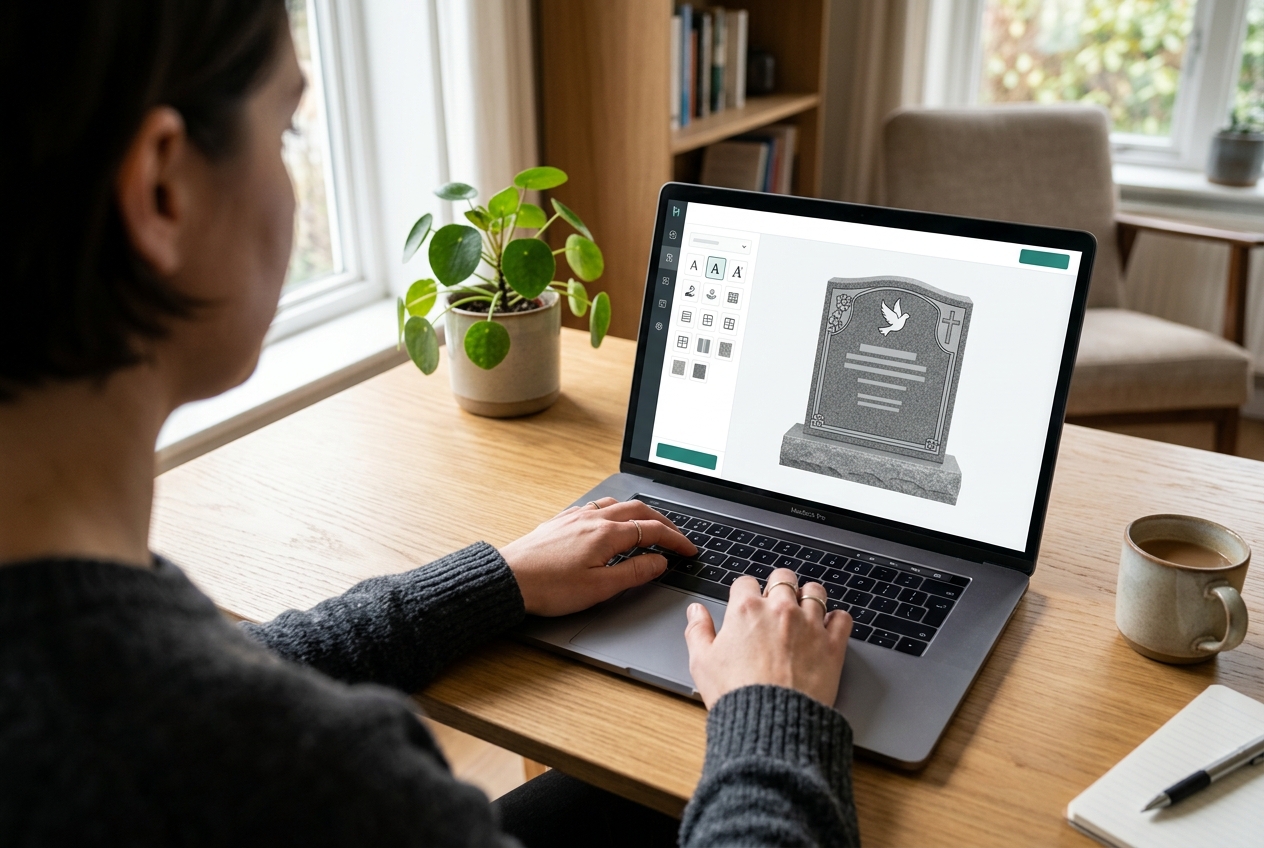
Durability and Weathering
Regardless of color, granite is an igneous rock formed under immense heat and pressure, making it one of the hardest and most resilient materials available for memorials. It stands up remarkably well to sun, rain, snow, and temperature fluctuations. The color itself does not inherently affect its structural integrity or resistance to erosion.
Appearance Over Time and Maintenance
While granite is low maintenance, how dirt, dust, and natural elements appear can vary:
- Dark Granite: Polished dark granite, particularly black, can show dust, pollen, and fingerprints more readily. After a dry spell, a layer of dust might be more visible. However, in damp or shaded environments, dark granite tends to conceal algae or moss growth better than lighter stones. Regular, gentle cleaning with water and a soft brush is usually sufficient to maintain its luster. Light Granite: Lighter granites are often more forgiving when it comes to showing dust and fingerprints. They tend to make environmental dust less noticeable. Conversely, in very damp or shaded conditions, green algae or moss might be more apparent against a light background. Mineral stains from water runoff or surrounding iron elements can also sometimes be more visible on lighter stones, though these are rare with proper installation and cleaning practices.
Visibility of Engraving and Etching
The choice of granite color also influences the visual impact of the memorial's design work.
- On Dark Granite: The high contrast makes dark granite ideal for detailed laser etchings, which capture fine lines and photographic quality with exceptional clarity. Frosted lettering stands out sharply, ensuring every detail of the inscription is easily discernible from a distance. On Light Granite: Laser etchings on light granite, while possible, typically do not offer the same level of contrast as on dark granite and might appear more subtle. For inscriptions, the softer contrast means that text might require slightly larger letter sizes or deeper cuts to achieve similar legibility from a distance.
Making Your Choice with Confidence
Ultimately, the choice between dark and light granite is deeply personal. There isn't a